For agencies & consultants
Scale trend work across every account, every season
Compress the research drag on every engagement. Data-driven direction across every client, every season.
- Collaborative workspace
- Data-driven analysis
- Client-ready outputs
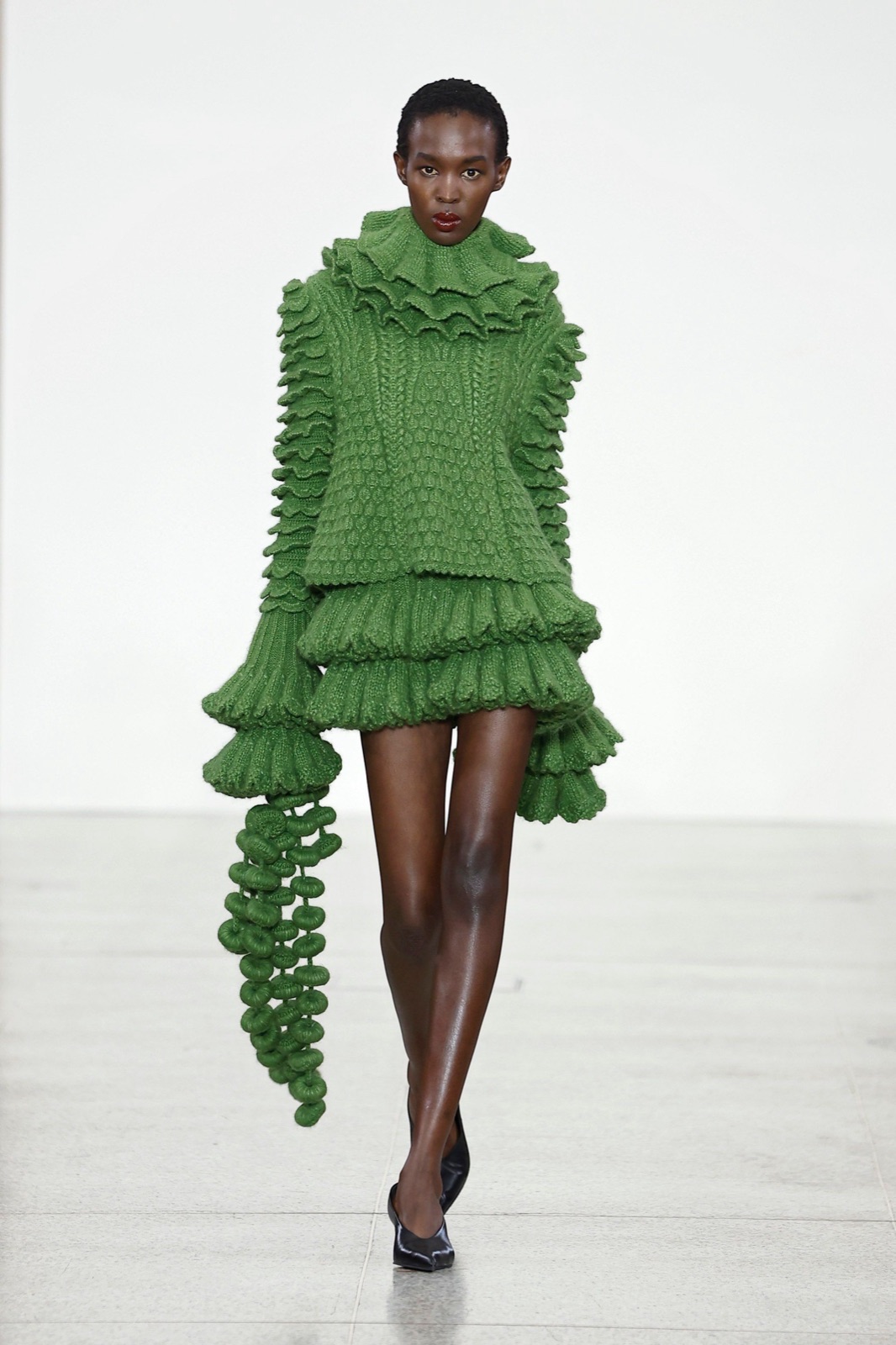
J. Salinas · FW26
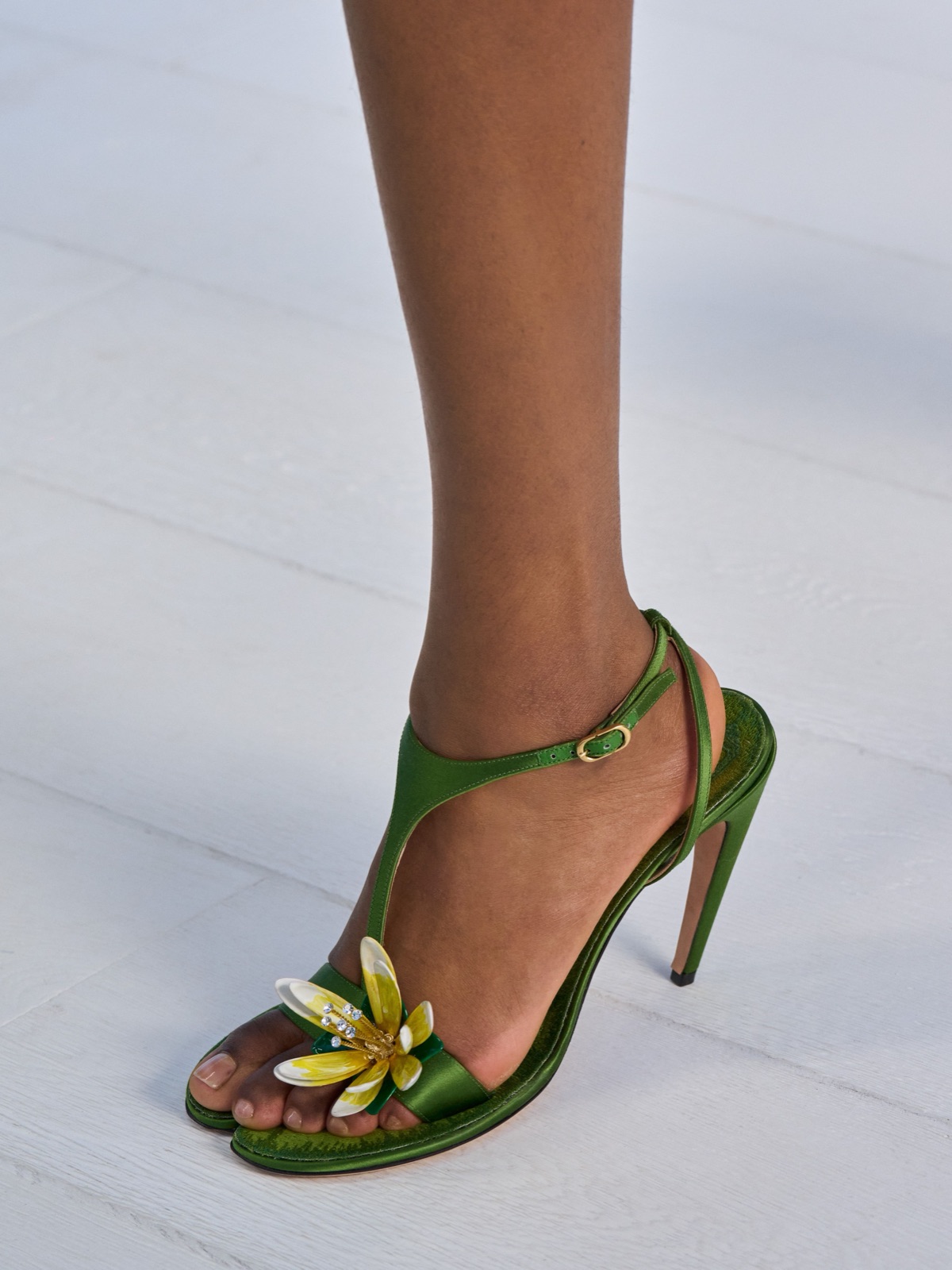
Pantone
Kelly Green
16-6138 TCX





— On agencies and consultants
"Agencies should spend less time rebuilding research, and more time shaping client direction."
01 — The pattern
Where agencies and consultants lose time
-
Every brief starts from scratch
New client projects often repeat the same runway research, reference gathering, and deck-building work.
-
Evidence clients can trust
Client recommendations need clear data behind the colors, silhouettes, categories, and pattern you present.
-
Per-client workspaces
Separate references, boards, trend signals, and outputs by client, season, and project.
-
Too many disconnected tools
Data, references, moodboards, and AI outputs often live in separate places, slowing down every client deliverable.
02 — The workflow
From source to action, four steps
The same workflow runs across every team. The artifacts and language change with the role.
- 01
Read the signal
Capture runway, presentation, and street-level signal at the silhouette, color, fabric, print, and category level.
- 02
Find the references
Search by theme, visual similarity, or natural language to connect emerging directions with relevant looks, details, and design references.
- 03
Generate direction
Turn signal and references into AI-assisted concept variants grounded in real fashion structure.
- 04
Align the team
Pull everything into shared moodboards, comments, and exports the team and stakeholders can act on.
03 — Sample outputs
What fashion brands can act on
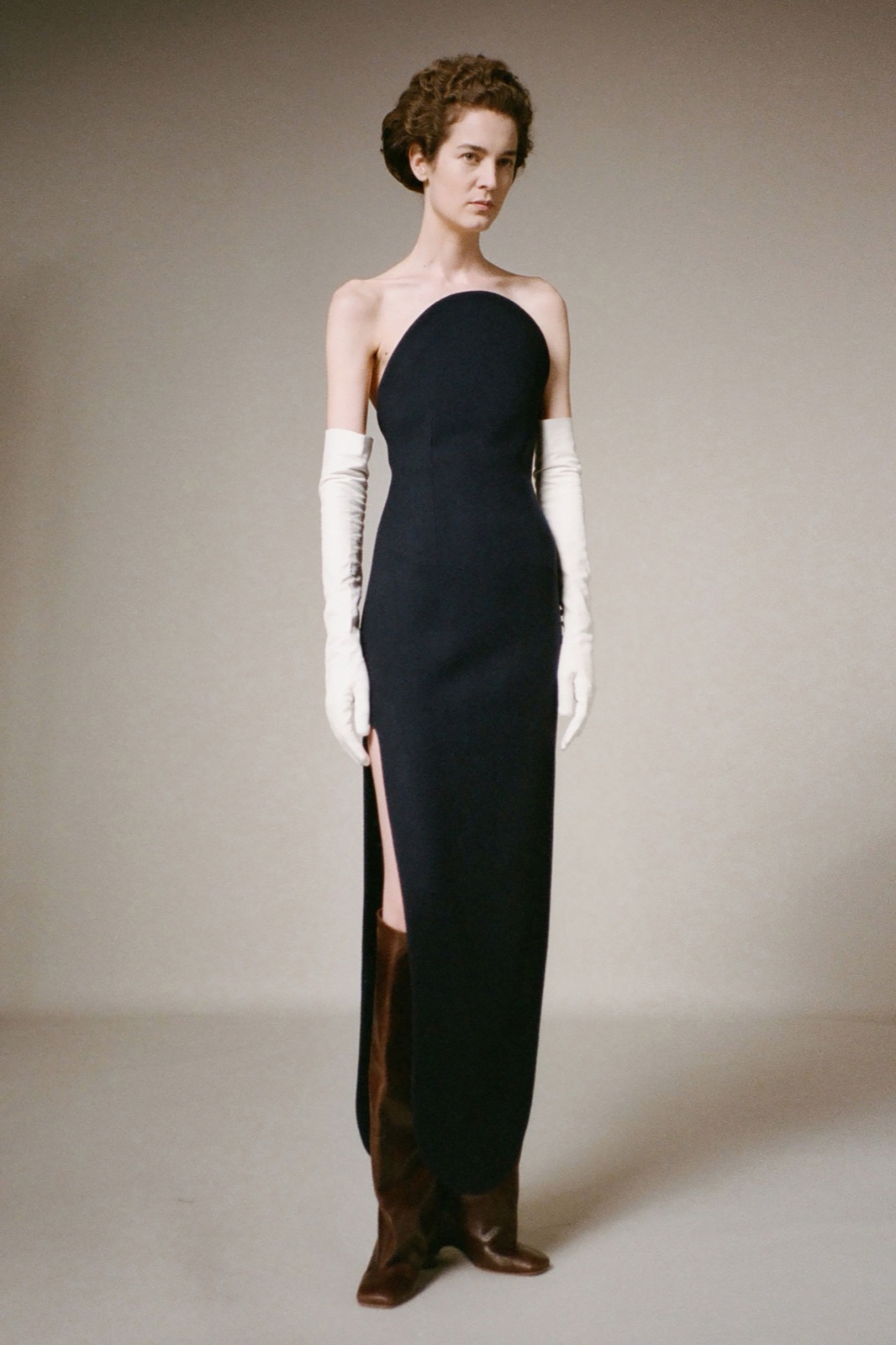
Awake Mode · FW26 · Look 08
-
Faster client approvals
Support every recommendation with runway-backed data, helping client teams review, align, and approve decisions faster.
-
Brand-fit moodboards
Create moodboards tailored to each client’s brand codes, category focus, and visual direction.
-
AI-assisted concept variants
Generate desgin directions and visual variants grounded in data, client context, and fashion-native inputs.
-
Per-client workspaces
Keep each client’s references, boards, trend signals, AI outputs, and deliverables organized in one workspace.
-
Client-fit inspiration search
Search runway looks by theme, silhouette, color, or product detail to build inspiration tailored to each client’s brand identity.
04 — Use cases
Where runway intelligence supports your week
Use runway-backed insights across collection, buying, merchandising, campaign, and leadership conversations — without rebuilding the same research each time.
-
01
Client onboarding research
Start each new client brief with runway-backed signals, references, and category context instead of rebuilding research from zero.
-
02
Seasonal advisory retainers
Deliver recurring Fashion Week and category readouts for multiple clients from one organized workflow.
-
03
Client-fit inspiration search
Use thematic and visual search to find runway references aligned with each client’s brand identity and creative direction.
-
04
AI visual variants
Create image variations in seconds with color, fabric, pattern, and styling changes using AI studio.
-
05
Faster Approvals
Support recommendations with runway-backed data so client teams can review, align, and approve decisions faster.
-
06
All in one workspace
Keep runway data, runway archive, AI generated visuals and moodboards in one organized fashion workspace.
— Methodology
Data-driven, fashion-native, collaborative
-
01
Thousands of runway looks are structured into garment-level data, with every signal linked back to its show, season, designer, and image.
-
02
Pattern recognition, not guesswork. T-Fashion compares signals across seasons, designers, categories, colors, fabrics, and silhouettes to show what is gaining or losing momentum.
-
03
Fashion-native language. Each look is broken down into fashion attributes from category, silhouette, fabric, pattern, and motif to 2,800 Pantone TCX color mappings.
-
04
Collaborative decision layer. Teams work from the same layer of data, references, boards, and AI outputs without losing context.
FAQ
Common questions
How does T-Fashion fit into agency engagements?
Agencies use T-Fashion to compress research, build client-ready boards and decks, and ground AI concept work in real fashion signal - across multiple accounts.
Can we keep client work separate?
Yes. Workspaces support per-account projects with shared references, comments, and version history scoped to each client.
Can we present T-Fashion outputs directly to clients?
Yes. Boards and decks export with full reference attribution, suitable for client-side reviews and stakeholder meetings.
Is this an alternative to our trend subscriptions?
For many agencies, yes. T-Fashion combines signal capture, visual reference, and concept generation in one workflow - replacing stitched-together trend reports and image research.
Does it support sourcing-side advisory work?
Yes. Sourcing firms and consultants use T-Fashion to align factories, buyers, and trend direction with structured runway and market signal.
Other teams
Same workflow, different lens
-
Fashion Brands
Fashion intelligence, across the brand
View solution → -
Design Teams
Runway analysis, built for design
View solution → -
Merchandising & Buying
Trend intelligence, for buying and merchandising
View solution → -
Product Development
Product-side intelligence, from brief to sample
View solution →
Get started
See it on a client account
Bring a client engagement, a pitch, or a season ask. We will run a sample analysis and walk through how agencies use T-Fashion across accounts.