For trend & insights
Trend synthesis, at fashion week speed
Move from runway signals to structured trend direction in days, not weeks — with evidence your team can trace and share.
- Data-driven evidence
- Faster synthesis
- Traceable direction
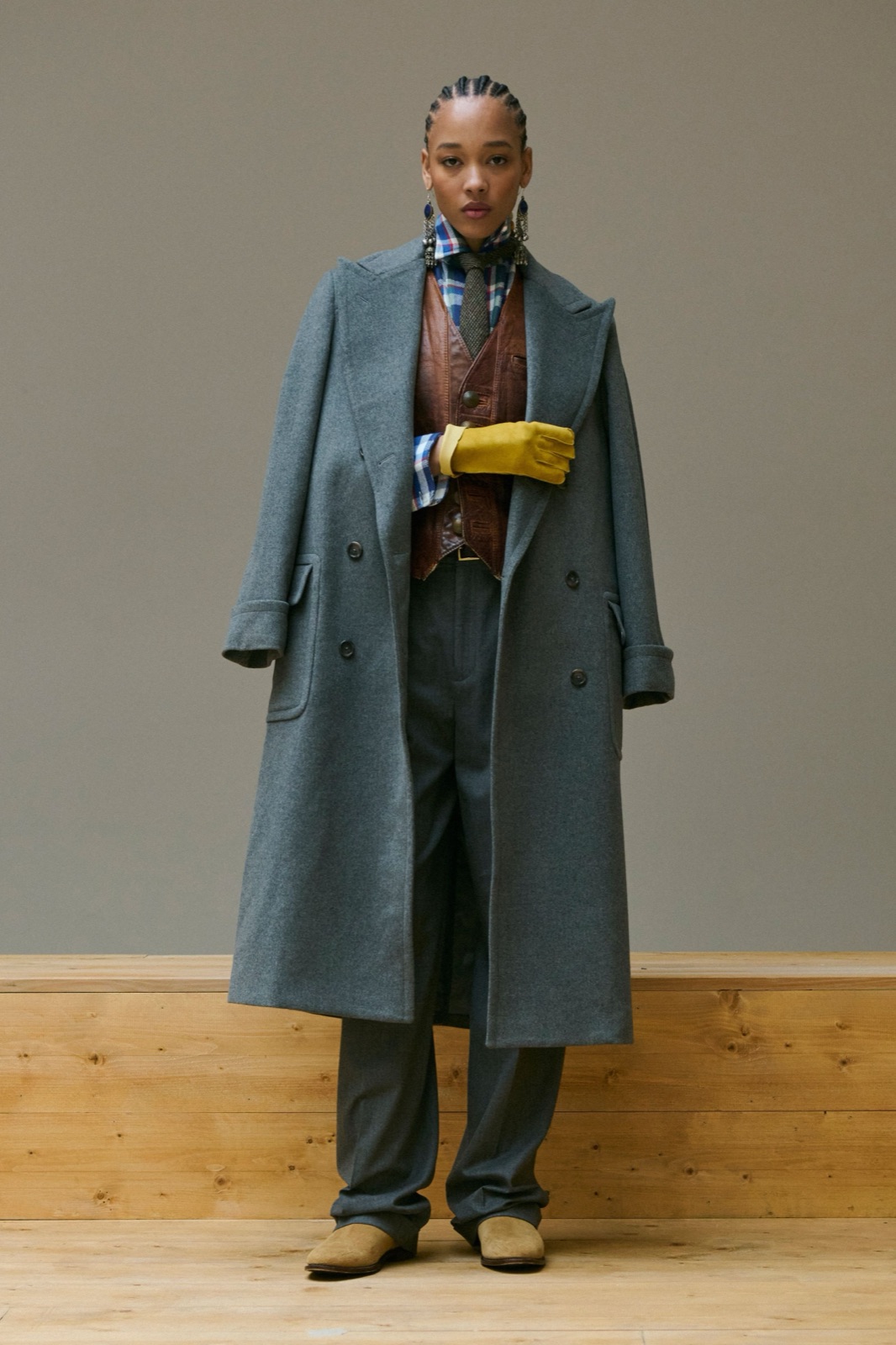
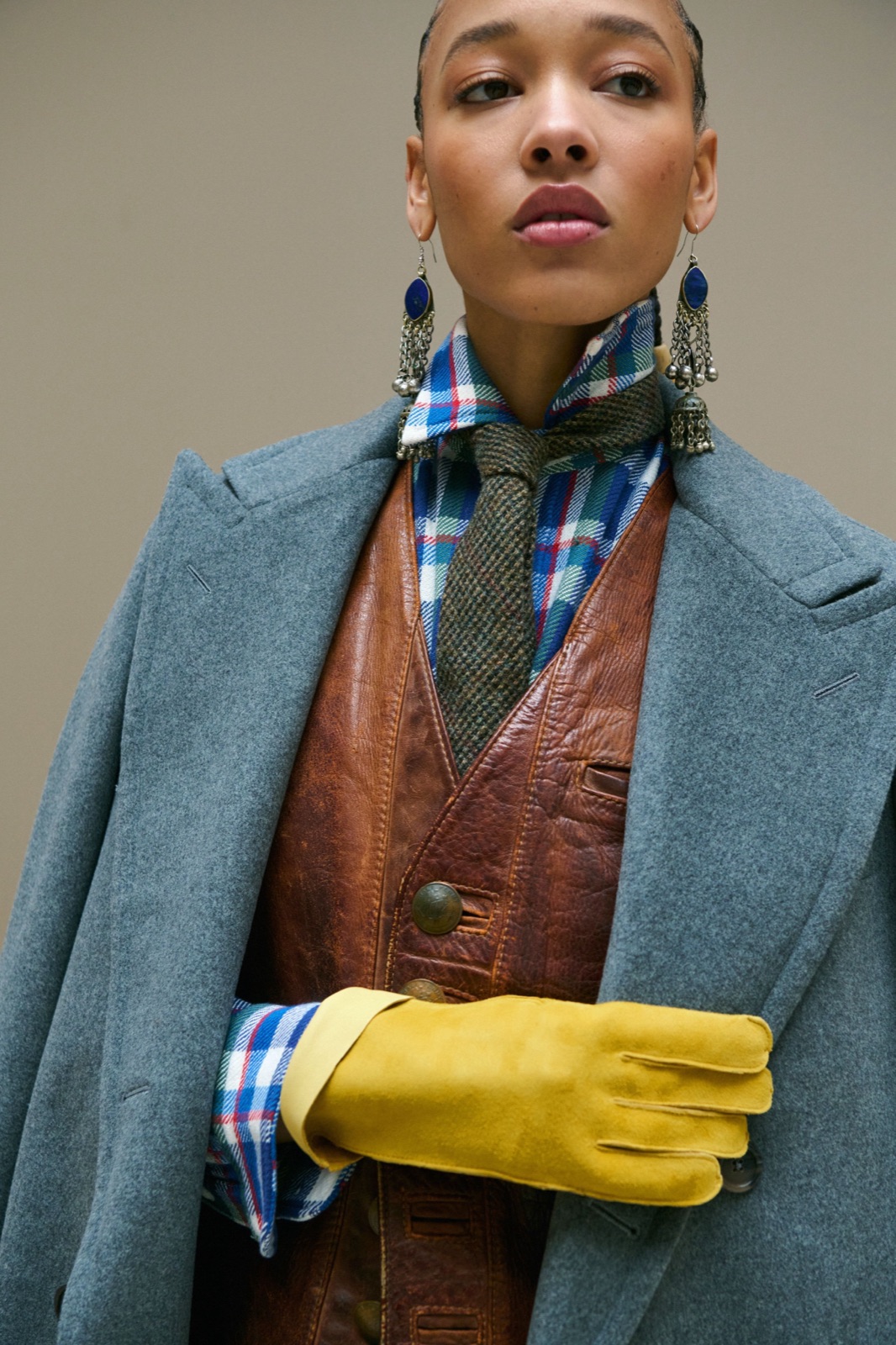
Polo Ralph Lauren · FW26
Pantone
Sunshine
13-0822 TCX





— On trend and insights teams
"The season moves fast. Trend teams need readouts that move just as quickly without losing evidence or clarity."
01 — The pattern
Where trend and insights teams lose time
-
Speed without losing rigor
Turn runway signals into evidence-backed readouts while the season is still moving.
-
Traceable trend direction
Every direction needs to connect back to the shows, seasons, designers, and looks behind it.
-
Research lives in too many places
References, notes, and reports lose value when they do not connect into one traceable trend readout.
-
Runway volume overload
Fashion Week creates thousands of looks to read, compare, and synthesize before the season moves on.
02 — The workflow
From source to action, four steps
The same workflow runs across every team. The artifacts and language change with the role.
- 01
Read the signal
Capture runway, presentation, and street-level signal at the silhouette, color, fabric, print, and category level.
- 02
Find the references
Search by theme, visual similarity, or natural language to connect emerging directions with relevant looks, details, and design references.
- 03
Generate direction
Turn signal and references into AI-assisted concept variants grounded in real fashion structure.
- 04
Align the team
Pull everything into shared moodboards, comments, and exports the team and stakeholders can act on.
03 — Sample outputs
What fashion brands can act on
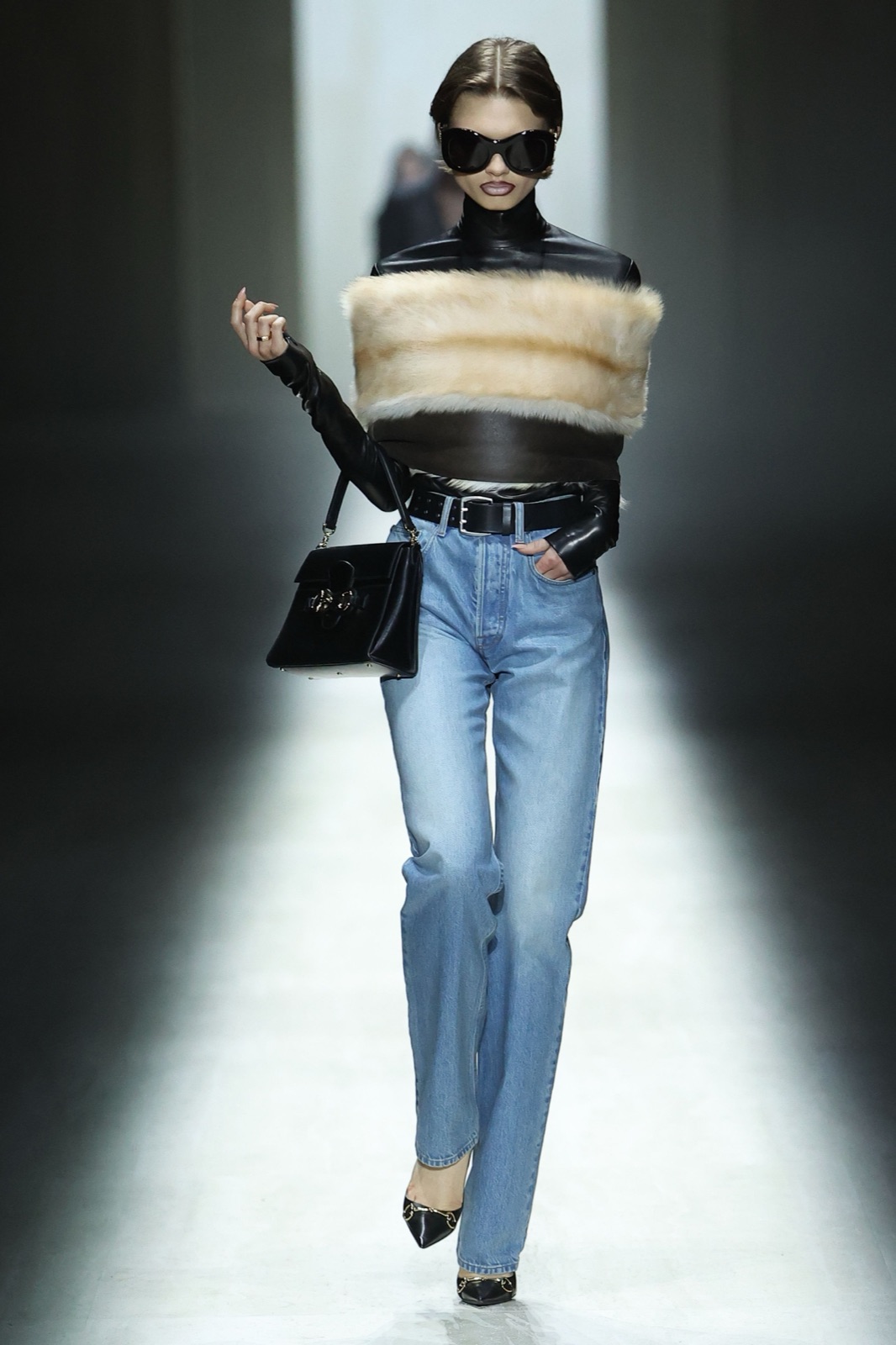
Gucci · FW26 · Look 54
-
Runway Data
Thousands of runway looks are decoded into color, fabric, pattern, category, silhouette, and product-level attributes.
-
Rising, Declining, Most-Seen Items
See which colors, fabrics, patterns, items, and silhouettes are gaining visibility, slowing down, or dominating the season.
-
Comparable Trend Cards
Compare trends side by side by growth, visibility, category breakdown, designer distribution, and season movement.
-
Seasonal Archive Context
Go back across past seasons to understand whether a signal is new, recurring, growing, or fading.
-
Evidence for Strategic Decisions
Turn runway signals into traceable evidence your team can bring into leadership, design, and buying conversations.
04 — Use cases
Where runway intelligence supports your week
Use runway-backed insights across collection, buying, merchandising, campaign, and leadership conversations — without rebuilding the same research each time.
-
01
Season trend readouts
Build season-level readouts from runway-backed color, silhouette, fabric, pattern, and category signals.
-
02
Signal deep dives
Dive into a category, color story, or silhouette with structured fashion native data.
-
03
Trend comparison
Compare items visibility, growth and adoption. Check whether a direction is new, recurring, growing, or fading across seasons and designers.
-
04
Shareable stakeholder readouts
Collect data and visuals into readouts for design, buying, merchandising, leadership, or external partners.
-
05
Thematic search
Search thousands of runway looks by theme, mood, silhouette, color, or product detail to build faster trend stories.
-
06
Where insight becomes image
Turn trend direction into AI-generated visuals with your AI design assistant grounded in fashion-native inputs and the platform’s trend intelligence.
— Methodology
Data-driven, fashion-native, collaborative
-
01
Thousands of runway looks are structured into garment-level data, with every signal linked back to its show, season, designer, and image.
-
02
Pattern recognition, not guesswork. T-Fashion compares signals across seasons, designers, categories, colors, fabrics, and silhouettes to show what is gaining or losing momentum.
-
03
Fashion-native language. Each look is broken down into fashion attributes from category, silhouette, fabric, pattern, and motif to 2,800 Pantone TCX color mappings.
-
04
Collaborative decision layer. Teams work from the same layer of data, references, boards, and AI outputs without losing context.
FAQ
Common questions
How does this differ from external trend forecasting subscriptions?
External subscriptions deliver curated themes on a slow cadence. T-Fashion gives your team the structured underlying signal during the season - so synthesis happens in your voice and on your calendar.
Is the analysis defensible to skeptical stakeholders?
Yes. Every direction links back to specific shows, presentations, and runway looks - which holds up to executive and design-leadership review.
Does it cover both runway and social signal?
Yes. Runway, presentations, and a curated set of social-media imagery are analyzed in one structure.
Can our team build internal reports on top of T-Fashion?
Yes. Boards, decks, and image grids export with full attribution, suitable for internal trend reports and stakeholder readouts.
How fresh is the data during fashion week?
Shows are processed and analyzed during the fashion week itself - typically within hours of each show.
Other teams
Same workflow, different lens
-
Fashion Brands
Fashion intelligence, across the brand
View solution → -
Design Teams
Runway analysis, built for design
View solution → -
Merchandising & Buying
Trend intelligence, for buying and merchandising
View solution → -
Product Development
Product-side intelligence, from brief to sample
View solution →
Get started
Ship the next readout faster
Bring a season, a category, or a stakeholder ask. We will run a sample analysis and walk through the synthesis flow.