For emerging brands
Your next collection, backed by data
No 200-page forecast deck. Fast, practical Fashion Week direction with data-driven signal behind every call.
- Practical direction
- Data-driven signal
- Built for all team sizes
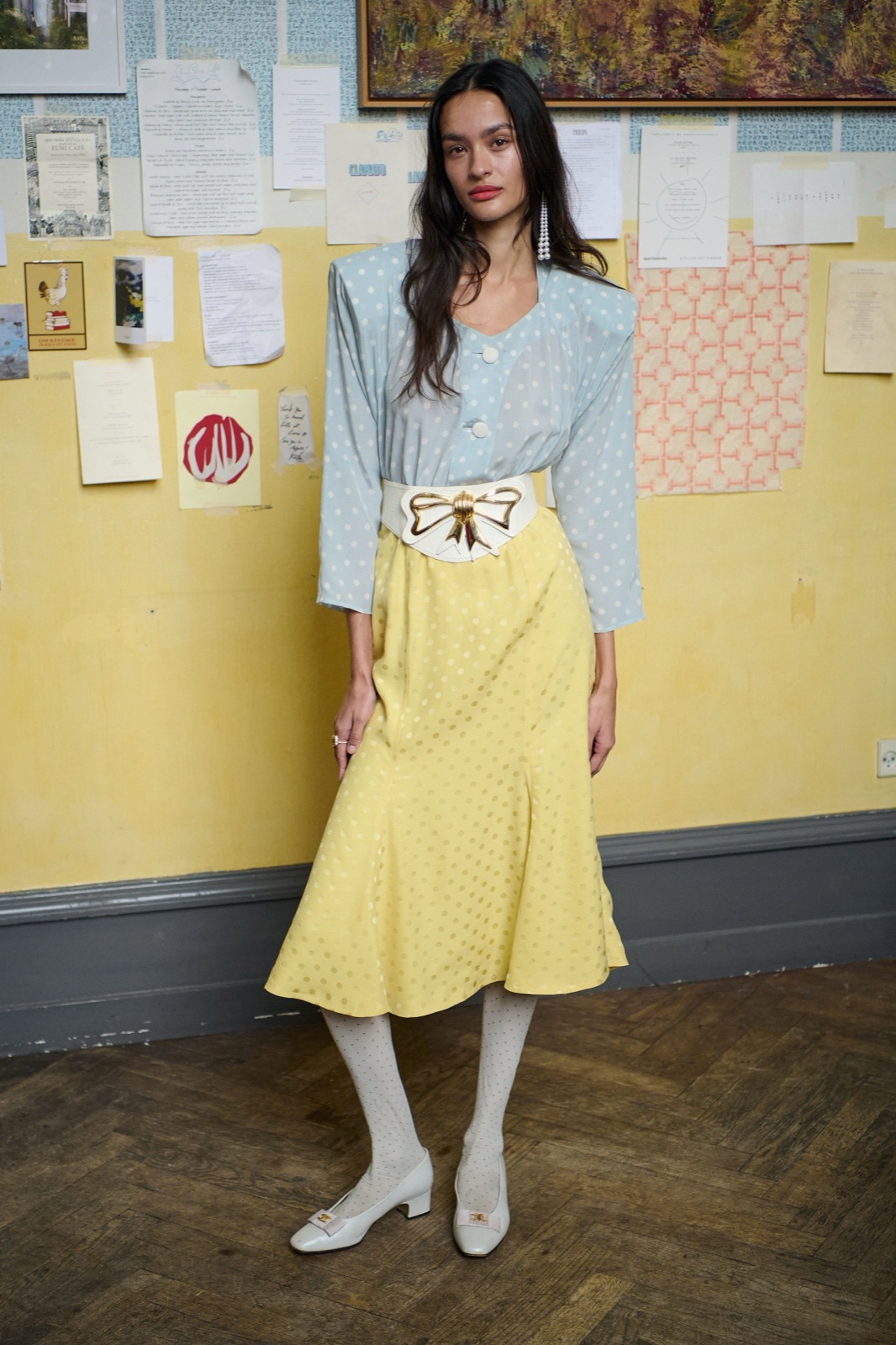
Caro Editions · FW26
Pantone
Warm Sunshine
13-0858 TCX






— On emerging fashion brands
"You do not need a full trend team to make sense of Fashion Week. You need clear, data-backed direction you can act on."
01 — The pattern
Where emerging fashion brands lose time
-
AI tools that do not fit fashion work
Many AI tools look impressive, but do not match the daily workflows fashion teams actually use.
-
Disconnected team workflows
Data, inspiration, AI outputs, and moodboards often live in separate places, making adoption harder across the brand.
-
Evidence beyond subjective reads
Strategy teams need signals that come from structured data, not only human interpretation, subjective reports.
-
Earlier signals, faster moves
Emerging brands need to see runway direction early enough to shape collections before the market gets crowded.
02 — The workflow
From source to action, four steps
The same workflow runs across every team. The artifacts and language change with the role.
- 01
Read the signal
Capture runway, presentation, and street-level signal at the silhouette, color, fabric, print, and category level.
- 02
Find the references
Search by theme, visual similarity, or natural language to connect emerging directions with relevant looks, details, and design references.
- 03
Generate direction
Turn signal and references into AI-assisted concept variants grounded in real fashion structure.
- 04
Align the team
Pull everything into shared moodboards, comments, and exports the team and stakeholders can act on.
03 — Sample outputs
What fashion brands can act on
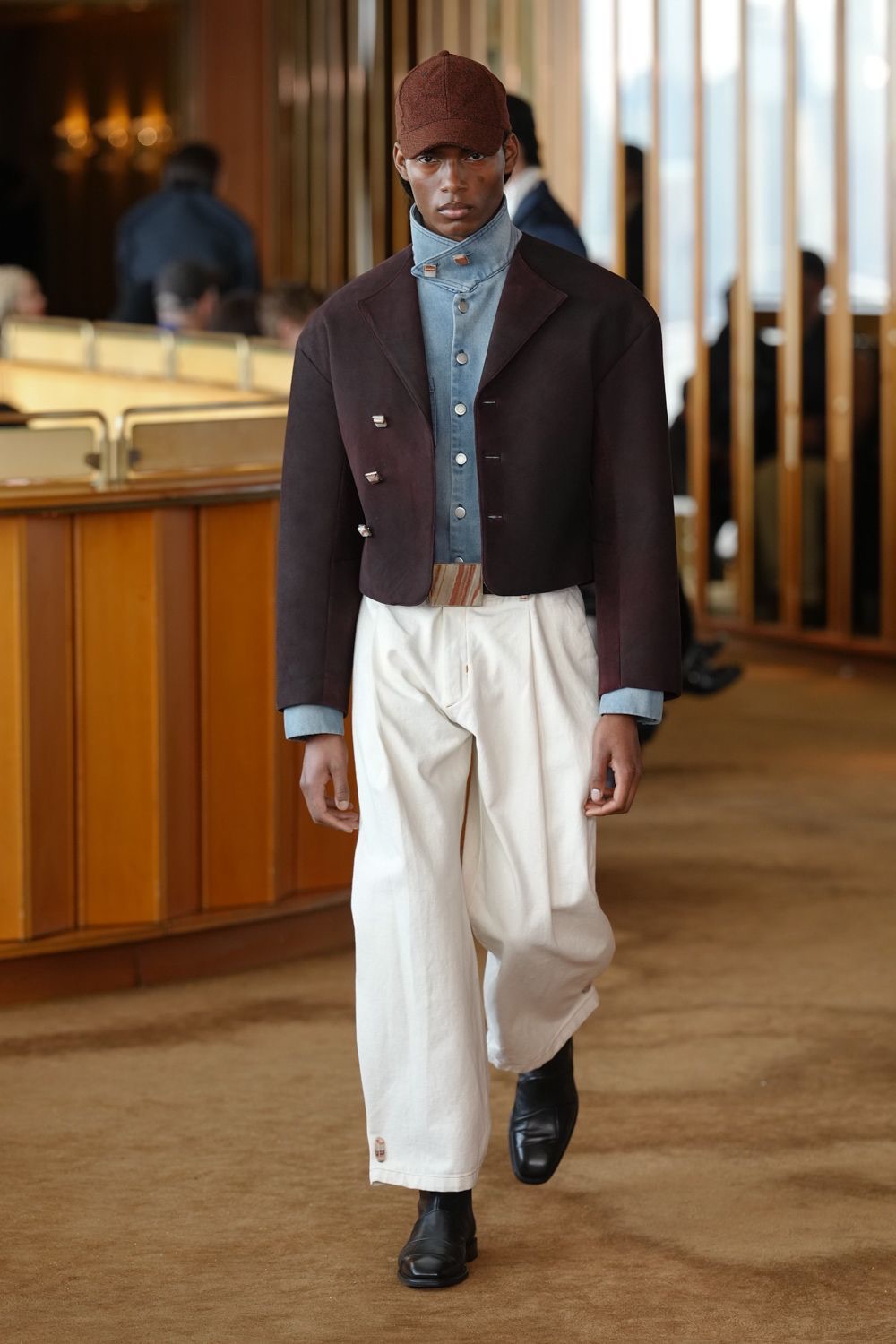
Campillo · FW26 · Look 14
-
Season direction snapshots
Fast and focused Fashion Week snapshots covering rising colors, silhouettes, fabrics, patterns, and category momentum.
-
Comprehensive runway archive
Access Fashion Week shows across cities in one place, with looks organized by designer, season, category, color, silhouette, and attributes.
-
Capsule and drop direction
Use rising and most-seen items, colors, fabrics, and patterns to shape capsule and limited-drop direction.
-
Buyer-ready boards
Turn collection direction into visual boards and data-backed stories for buyer, retail, and wholesale conversations.
-
Small-team decision workflow
Move from runway data and inspiration to AI visuals, collection planning, store direction, and material decisions without needing a large team.
04 — Use cases
Where runway intelligence supports your week
Use runway-backed insights across collection, buying, merchandising, campaign, and leadership conversations — without rebuilding the same research each time.
-
01
First seasonal direction
Open the season with a structured data instead of a Pinterest board.
-
02
Capsule and drop planning
Build limited drops around rising and most-seen items, colors, fabrics, patterns, and runway references.
-
03
Buyer and retail meetings
Bring data-backed colors, items, and collection stories into buyer conversations.
-
04
Sample brief clarity
Turn mood and references into clearer briefs for manufacturers, ateliers, and production partners.
-
05
Investor and partner storytelling
Support your brand story with runway-backed signals partners can understand.
-
06
One workspace for every asset
Keep runway data, saved references, moodboards, AI visuals, and collection direction in one place your team can return to anytime.
— Methodology
Data-driven, fashion-native, collaborative
-
01
Thousands of runway looks are structured into garment-level data, with every signal linked back to its show, season, designer, and image.
-
02
Pattern recognition, not guesswork. T-Fashion compares signals across seasons, designers, categories, colors, fabrics, and silhouettes to show what is gaining or losing momentum.
-
03
Fashion-native language. Each look is broken down into fashion attributes from category, silhouette, fabric, pattern, and motif to 2,800 Pantone TCX color mappings.
-
04
Collaborative decision layer. Teams work from the same layer of data, references, boards, and AI outputs without losing context.
FAQ
Common questions
Is T-Fashion sized for small fashion teams?
Yes. Founder-led and emerging brands use T-Fashion as their trend function. Plans and pricing are designed for small teams without a dedicated research role.
Do I need to be a trend specialist to read the analysis?
No. Snapshots and direction packs are written for designers, founders, and operators - not for trend forecasters reading 200-page decks.
Can I share T-Fashion reports with retail partners and buyers?
Yes. Reports and boards export with attribution preserved, suitable for retail partner and buyer conversations.
Does it cover my category?
Coverage spans womenswear, menswear, kidswear, accessories, footwear, and most apparel categories - across ready-to-wear and selected couture.
How quickly can I see Fashion Week direction?
Shows are processed and analyzed during the fashion week itself, with direction available within hours of each show.
Other teams
Same workflow, different lens
-
Fashion Brands
Fashion intelligence, across the brand
View solution → -
Design Teams
Runway analysis, built for design
View solution → -
Merchandising & Buying
Trend intelligence, for buying and merchandising
View solution → -
Product Development
Product-side intelligence, from brief to sample
View solution →
Get started
See it on your next drop
Bring a season, a capsule, or a buyer meeting. We will run a sample analysis and show how founder-led brands use T-Fashion in practice.