For strategy & innovation
The AI workflow built for fashion teams
Combine AI and technology expertise with real fashion workflows giving teams one place to move from data and trend intelligence to inspiration, moodboards, and product-ready direction.
- Structured runway data
- AI adopted fashion workflow
- Cross-team adoption
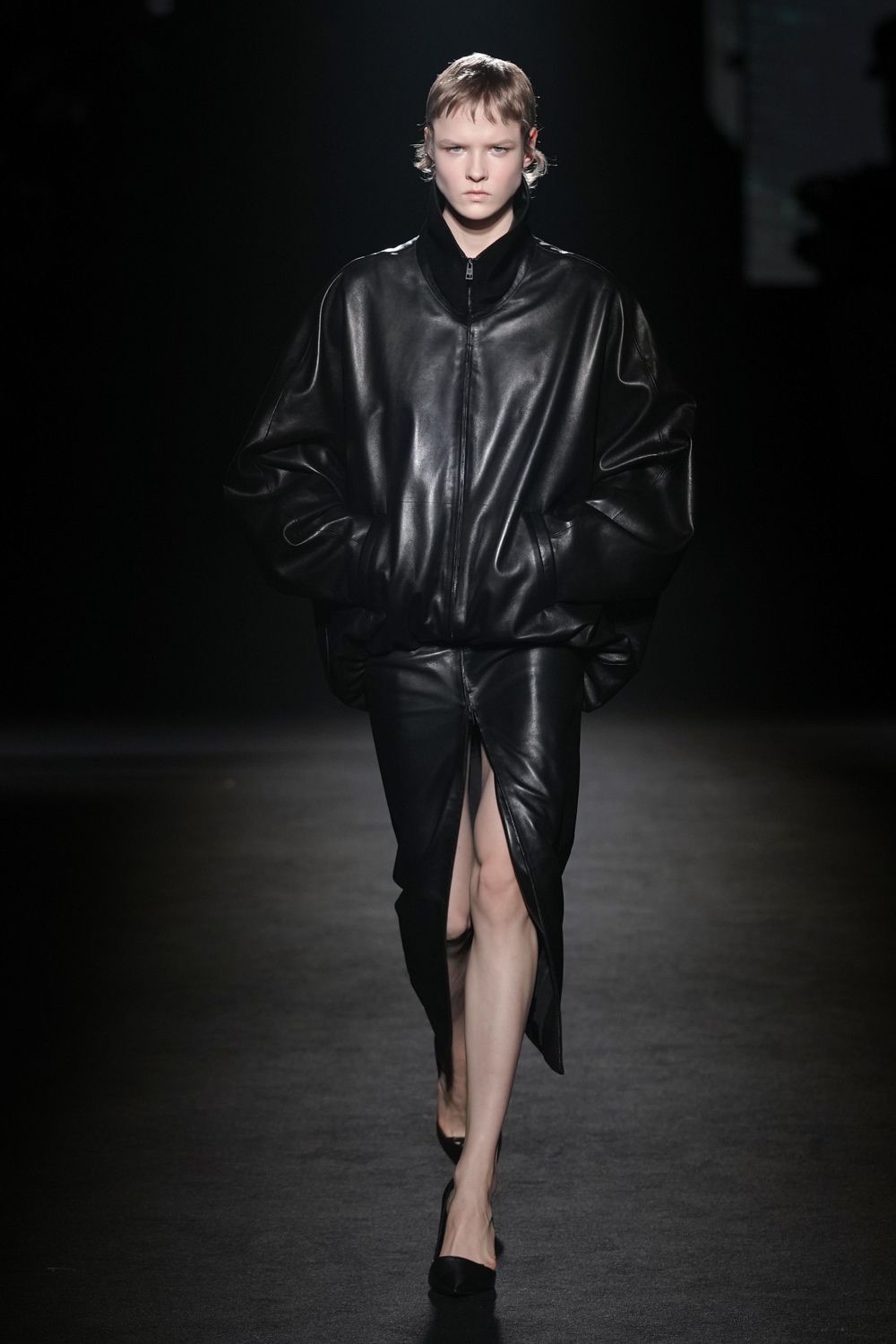
Balenciaga · FW26
Pantone
Camel
16-1439 TCX






— On strategy and innovation teams
"The real opportunity is not adding AI on top of fashion workflows, but building it into the data, decisions, and creative process teams already use."
01 — The pattern
Where strategy and innovation teams lose time
-
AI tools that do not fit fashion work
Most AI tools look impressive in a demo, but fail to match how design, buying, merchandising, and product teams actually work.
-
Disconnected team workflows
When each team works from separate tools, trend data, references, AI outputs, and decisions never connect in one place.
-
Evidence beyond subjective reads
Teams need trend signals grounded in structured data, so decisions are not built only on opinion or taste.
-
Hard to scale beyond the pilot
AI adoption works when teams can use it from day one, inside the fashion workflows they already understand.
02 — The workflow
From source to action, four steps
The same workflow runs across every team. The artifacts and language change with the role.
- 01
Read the signal
Capture runway, presentation, and street-level signal at the silhouette, color, fabric, print, and category level.
- 02
Find the references
Search by theme, visual similarity, or natural language to connect emerging directions with relevant looks, details, and design references.
- 03
Generate direction
Turn signal and references into AI-assisted concept variants grounded in real fashion structure.
- 04
Align the team
Pull everything into shared moodboards, comments, and exports the team and stakeholders can act on.
03 — Sample outputs
What fashion brands can act on
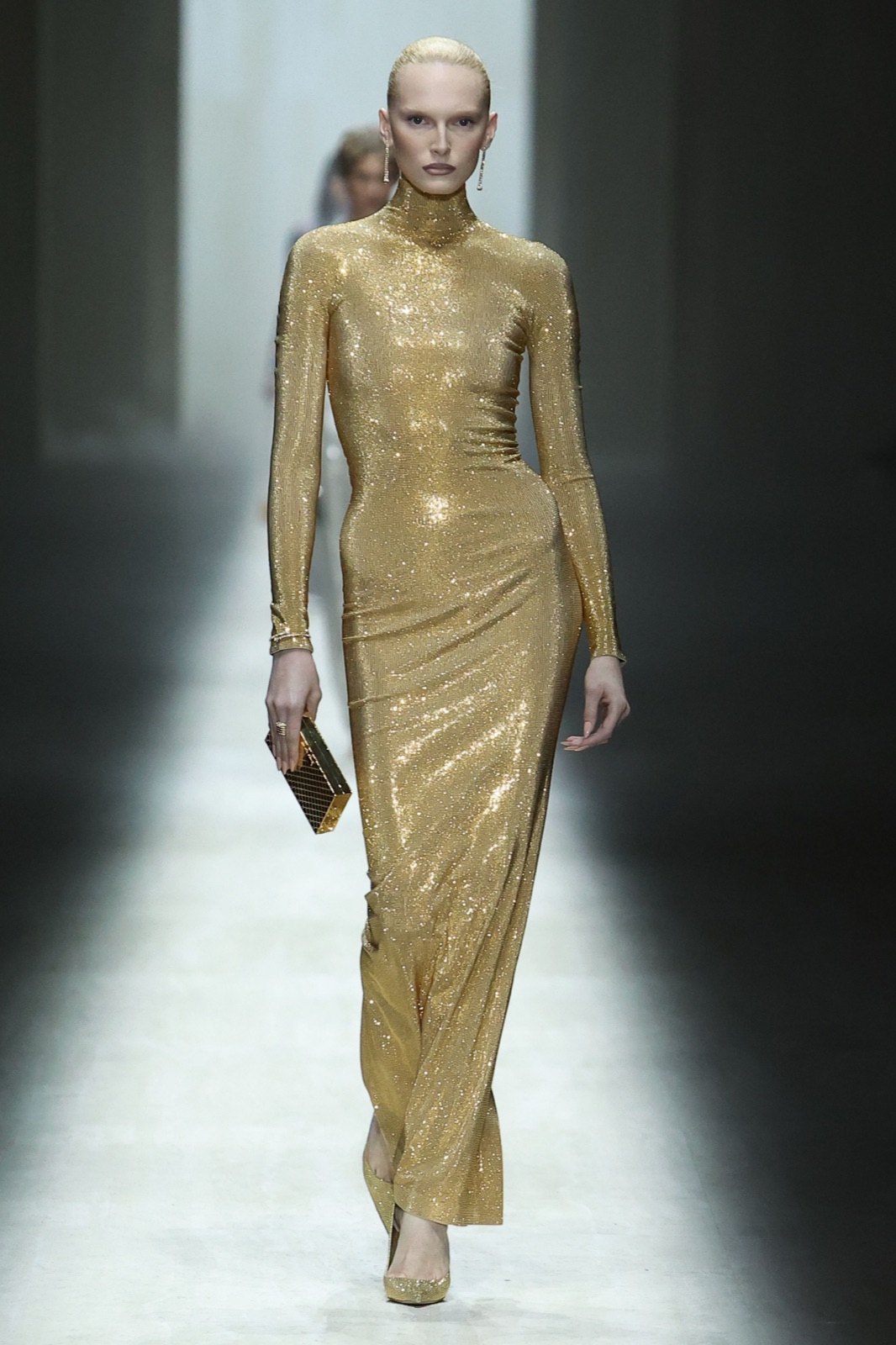
Gucci · FW26 · Look 75
-
Connected intelligence layer
Runway data, trend signals, inspiration, moodboards, AI visual generation connected in one fashion-native workspace.
-
Structured runway data foundation
Thousands of runway looks are translated into searchable color, fabric, pattern, silhouette, category, and attribute-level data.
-
Fashion-native workflow
Built around the way design, buying, merchandising, product, and insight teams already work — from inspiration to decision.
-
AI-assisted design generation
Turn trend data, runway references, color direction, and silhouettes into AI-generated visuals inside Studio.
-
Accessible intelligence layer
Data, visuals, and runway evidence are designed to be understood and reused across teams not locked inside specialist analysis.
-
Rollout-ready AI workflow
A practical system for piloting, evaluating, and scaling AI across fashion teams without rebuilding workflows from scratch.
04 — Use cases
Where runway intelligence supports your week
Use runway-backed insights across collection, buying, merchandising, campaign, and leadership conversations — without rebuilding the same research each time.
-
01
Data layer for your fashion teams
Unify runway data, references, moodboards, AI outputs, and team decisions in one fashion-native workspace.
-
02
Objective decision layer
Give teams a shared evidence base for decisions, built from structured runway data rather than isolated opinions or subjective reads.
-
03
Fashion intelligence library
Store and revisit the signals, references, boards, and AI outputs your teams need across seasons, projects, and categories.
-
04
From concept to design in one workflow
Move from data and inspiration to moodboards, Studio generation, visual concepts, and product-ready direction without leaving the platform.
-
05
Fashion-native Studio workflows
Create AI visuals using runway references, trend data, color direction, silhouettes, and product cues designed for fashion teams.
-
06
Moodboards in minutes
Build moodboards from data, references, AI visuals designed to make fashion workflows faster and more effective.
— Methodology
Data-driven, fashion-native, collaborative
-
01
Thousands of runway looks are structured into garment-level data, with every signal linked back to its show, season, designer, and image.
-
02
Pattern recognition, not guesswork. T-Fashion compares signals across seasons, designers, categories, colors, fabrics, and silhouettes to show what is gaining or losing momentum.
-
03
Fashion-native language. Each look is broken down into fashion attributes from category, silhouette, fabric, pattern, and motif to 2,800 Pantone TCX color mappings.
-
04
Collaborative decision layer. Teams work from the same layer of data, references, boards, and AI outputs without losing context.
FAQ
Common questions
How is T-Fashion different from generic AI image tools?
Generic AI image tools generate pictures from prompts with no fashion grounding. T-Fashion is built on structured fashion data - runway, season, garment, color, and material - so AI outputs reflect actual fashion direction and trace back to source.
Who owns the data and AI outputs?
Workspace data and AI outputs are owned by the customer. Customer-uploaded references and outputs are not used to train shared T-Fashion models without explicit consent.
Can we pilot before committing across the brand?
Yes. Most strategy and innovation teams start with a single-team pilot - design, merchandising, or trend - and expand once the workflow is validated.
What does procurement and legal need to see?
Clear answers on data handling, IP, AI training policy, and infrastructure are documented and available for procurement and legal review under NDA.
Does it integrate with our existing creative and product stack?
T-Fashion sits before PLM and ERP and exports into the formats those tools accept. Most brands use it alongside existing PLM, DAM, and creative tools.
Other teams
Same workflow, different lens
-
Fashion Brands
Fashion intelligence, across the brand
View solution → -
Design Teams
Runway analysis, built for design
View solution → -
Merchandising & Buying
Trend intelligence, for buying and merchandising
View solution → -
Product Development
Product-side intelligence, from brief to sample
View solution →
Get started
Evaluate the workflow
Bring a pilot scope, a strategic season ask, or an AI evaluation question. We will walk through how strategy and innovation leaders bring T-Fashion into the brand.