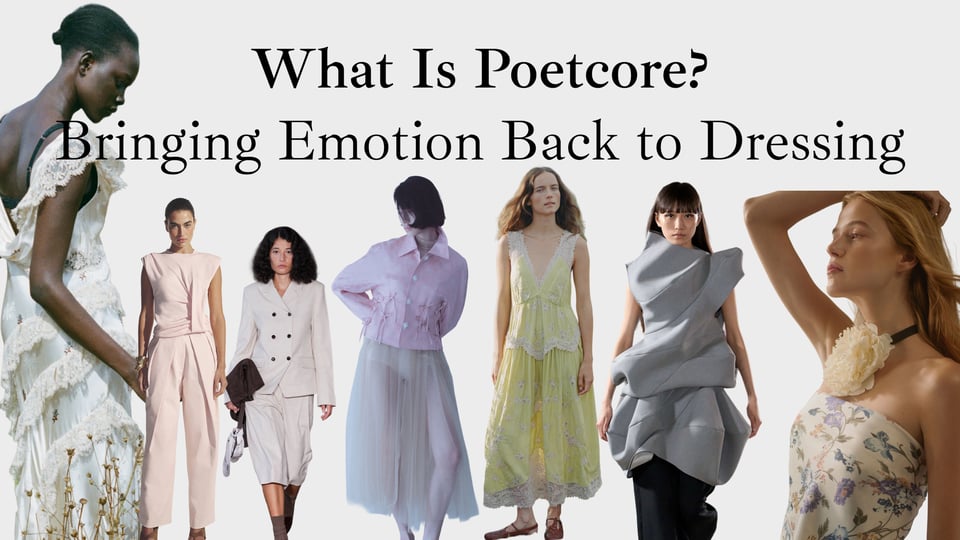
Poetcore feels like getting dressed with a story in mind.
A slightly oversized blazer over a soft shirt. A scarf that looks as though it has been worn for years. A leather bag filled with notebooks rather than chosen simply because it completes the outfit. A brooch pinned somewhere unexpected. Knitwear layered over tailoring. Fabrics that feel tactile, personal and slightly imperfect.
This is the world of the poetcore aesthetic.
It is less about dressing like a poet and more about creating the feeling we associate with one: observant, romantic, intellectual, nostalgic and deeply personal.
And that distinction matters.
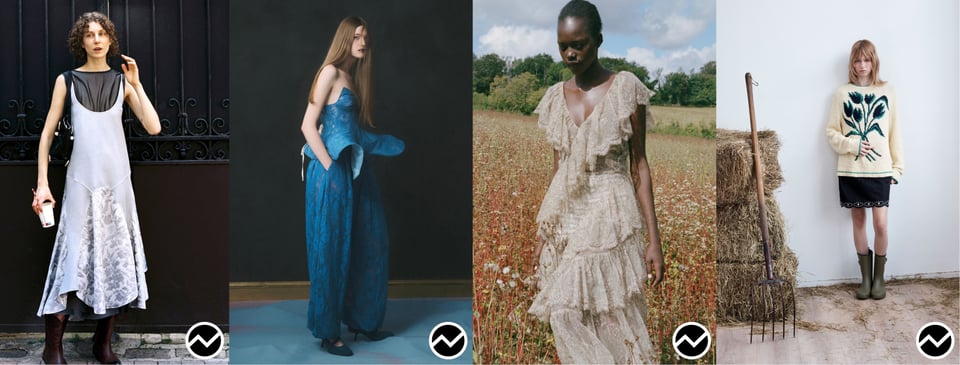
Poetcore is not built around one hero product that suddenly becomes the season's must-have. It is an aesthetic language. The clothes, accessories, textures and styling have to work together before the mood becomes recognisable.
What is poetcore?
Poetcore is a fashion aesthetic inspired by literature, artistic individuality and a certain romantic approach to everyday dressing.
Its wardrobe often brings together soft tailoring, shirts, relaxed trousers, knitwear, scarves, ties, brooches, satchels and vintage-inspired accessories. But listing the pieces alone does not explain why the aesthetic works.
You can wear a blazer and still look completely removed from poetcore.
What changes everything is the way the pieces interact.
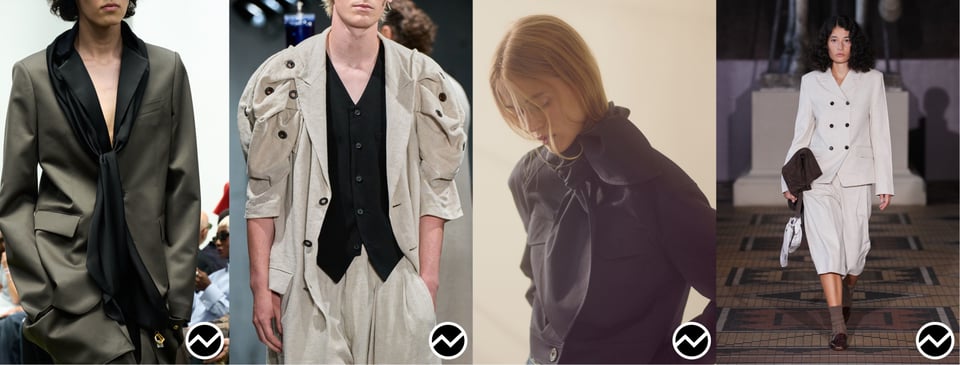
Imagine a structured brown blazer worn with a perfectly pressed white shirt and polished trousers. It reads classic. Now soften the shirt, open the collar, loosen the silhouette, add a textured knit, pin a small brooch to the lapel and let a narrow scarf fall beneath the jacket.
The clothes may not have changed dramatically.
The emotion has.
That is where poetcore begins.
It feels collected rather than styled from scratch. Personal rather than perfected. Slightly nostalgic without looking like costume.
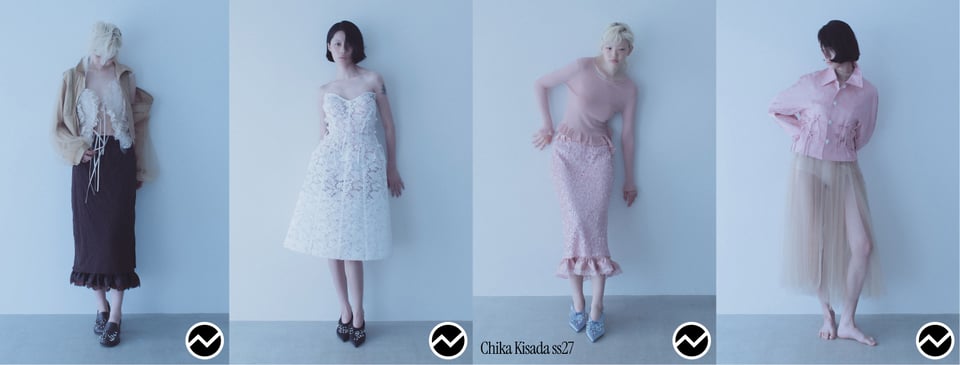
A new name for a familiar fashion instinct
Poetcore may be a contemporary internet-era name, but the visual references behind it have existed in fashion for decades.
Romantic shirts, historical tailoring, scarves, capes, oversized proportions and literary-looking characters have repeatedly returned to designer collections.
Vivienne Westwood and Malcolm McLaren's Autumn/Winter 1981 Pirate collection, for example, transformed historical references through oversized shirts, dramatic volumes and expressive layering. It was not “poetcore,” of course, but it shows something that remains important to the aesthetic today: clothing from the past can be reinterpreted to create a completely new character.
Fashion has always been fascinated by the writer, the artist, the intellectual and the outsider.
What has changed is that today these references are being grouped into a new visual identity.
Instead of recreating one historical period, poetcore borrows fragments from many of them and mixes them with contemporary wardrobes.
A Victorian-looking blouse can sit next to denim.
A traditional blazer can be worn with an almost undone scarf.
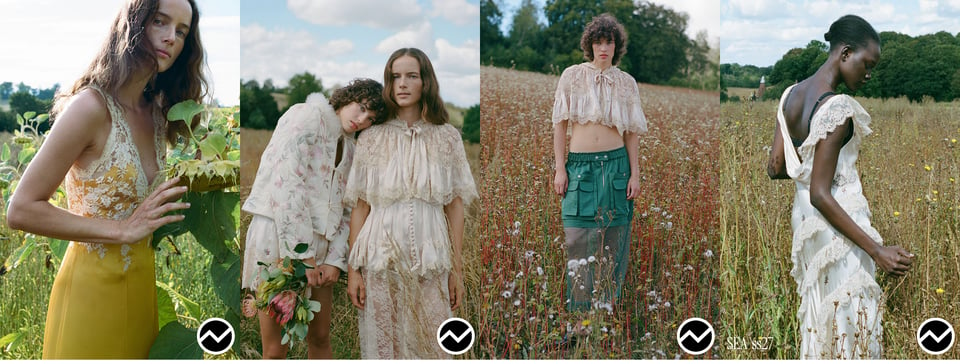
A masculine trouser can appear alongside delicate lace.
The contradiction is part of the appeal.
Why is poetcore rising now?
Because fashion is becoming personal again.
After years dominated by highly identifiable aesthetics and rapidly circulating microtrends, consumers are increasingly interested in clothes that feel more individual, emotional and lived-in.
The question is shifting from:
“What trend am I wearing?”
to:
“What does this say about me?”
Poetcore fits naturally into that change.
Its appeal comes from personality rather than perfection. A poetcore wardrobe can look as though every piece has its own history. Something inherited. Something found while travelling. Something bought years ago. Something added simply because the wearer loved it.
That feeling is becoming increasingly valuable.
It also helps explain the broader rise of personal accessories and expressive styling details.
A distinctive brooch.
A narrow scarf.
A lace collar.
A tie.
A charm attached to a bag.
An unusual piece of jewellery.
These details may be small, but they allow consumers to make familiar products feel uniquely theirs.
At the same time, tailoring continues to regain relevance. Blazers, shirts, structured trousers and classic outerwear provide exactly the foundation poetcore needs. Instead of wearing tailoring as a symbol of corporate formality, consumers can soften and personalise it.
The blazer becomes less office.
More character.
Poetcore is not a product. It is a vibe.
This may be the most important point for brands developing around the poetcore fashion trend.
Do not search for the “poetcore item.”
There isn't one.
A ruffled blouse alone does not create poetcore. Neither does a brown blazer, a satchel or a scarf.
The aesthetic appears when several familiar pieces begin speaking the same language.
Think about it almost like writing a sentence.
The blazer creates structure.
The shirt introduces romance.
The knit adds softness.
The trouser grounds the silhouette.
The scarf, brooch or bag gives the final line its personality.
Individually, each product is understandable.
Together, they become more poetic.
This is why styling is especially important when translating poetcore into commercial collections. Brands do not necessarily need to create an entirely new product category. Existing wardrobe staples can be reworked through proportion, fabrication, colour and accessories.
Sometimes the strongest trend opportunity is not inventing another product.
It is creating a new reason to wear products consumers already understand.
What does the poetcore wardrobe look like?
The easiest place to begin is with tailoring.
A soft blazer can become one of the strongest foundations of the aesthetic. Look for slightly relaxed proportions rather than aggressively corporate construction. Brown, charcoal, tobacco, olive and muted neutral tones work particularly well because they immediately introduce depth.
Underneath, shirts can become more expressive.
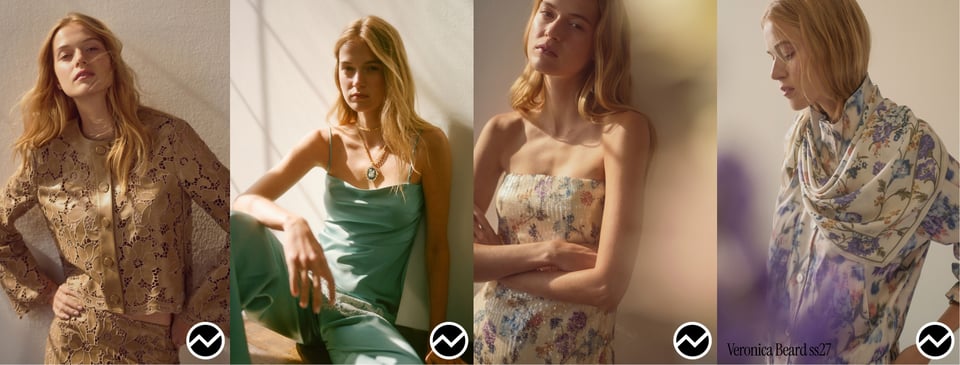
Soft cottons, fluid fabrics, elongated cuffs, subtle gathering, stand collars or lightly romantic details can change the attitude of classic shirting without pushing the garment into costume.
Knitwear brings intimacy.
A brushed cardigan, fine roll-neck, relaxed crewneck or textured vest introduces exactly the tactile quality the aesthetic needs. Layering a knit underneath tailoring can also make structured pieces feel more personal and approachable.
For bottoms, pleated trousers, straight-leg silhouettes, relaxed tailoring and even worn denim can work.
Again, contrast is important.
A delicate blouse becomes more interesting beside masculine trousers.
A formal blazer feels different when paired with faded denim.
A traditional shirt changes completely underneath oversized knitwear.
Poetcore lives inside these combinations.
Accessories may be the most important part
If clothing creates the foundation, accessories create the character.
And this is where brands have room to be much more playful.
The growing interest in brooches, scarves, ties, charms and personalised accessories fits perfectly into the poetcore aesthetic because these are objects that suggest individual choice.
A brooch does not have to be worn exactly where expected.
A scarf does not need to be tied perfectly.
A tie can be narrow, textured or slightly loosened.
A bag can look practical rather than pristine.
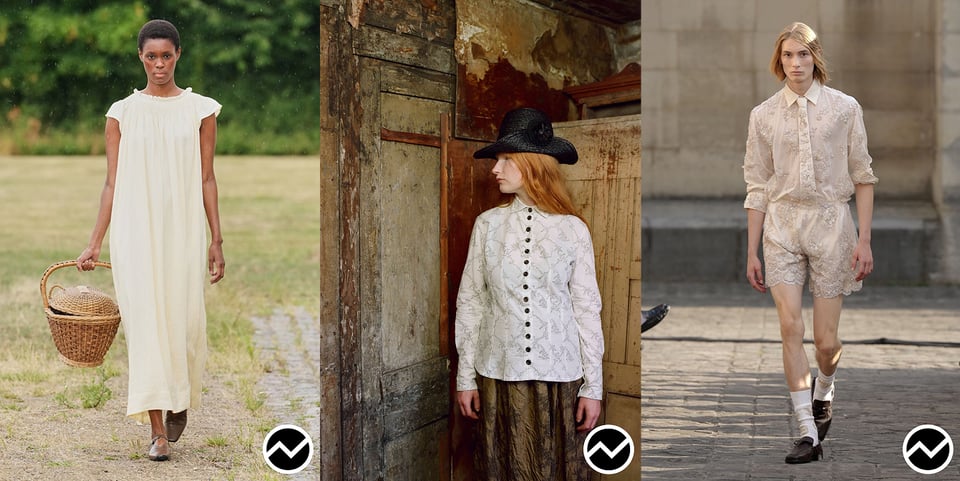
Lace can appear only at the cuff or collar instead of becoming the entire garment.
These details create the impression that an outfit has evolved through the wearer's own decisions.
That is exactly what many consumers are searching for: clothes that leave enough space for them to finish the story themselves.
How should brands translate poetcore into collections?
The strongest approach is not to create a literal “poet collection.”
Instead, build the mood across several product categories.
Start with a foundation of tailoring: a blazer, trouser and shirt.
Then soften it through knitwear and fabrication.
Introduce romantic details selectively.
Finally, add accessories that encourage personal styling.
A commercial poetcore direction could include a relaxed blazer, pleated trousers, a fluid shirt, a lightweight cardigan, a narrow scarf, a distinctive brooch and a practical leather or suede bag.
None of these products need to scream trend.
That is actually the advantage.
They remain wearable individually while becoming much more directional when styled together.
For womenswear, the aesthetic can move between masculine tailoring and softer details: oversized jackets, long skirts, delicate shirts, lace accents and small personal accessories.
For menswear, relaxed trousers, shirts, textured knits, ties, scarves and soft jackets can build the same narrative without becoming theatrical.
Even colour can remain relatively quiet.
Tobacco brown, faded navy, ink black, moss, burgundy, cream and parchment-like neutrals immediately support the literary mood. What keeps the palette interesting is texture: brushed wool beside cotton, suede against shirting, washed fabrics beside polished leather.
Consumers want to feel something from fashion
The rise of poetcore points toward something larger than one aesthetic.
Consumers are looking for emotion, individuality and authorship in the way they dress.
They want a look that feels recognisable but not predetermined.
A jacket they can style differently.
A scarf they can wear five ways.
A brooch no one else places in exactly the same position.
A shirt that changes personality depending on what sits over it.
This is where poetcore becomes relevant beyond social-media trend cycles.
It gives familiar wardrobe pieces a new emotional context.
Rather than telling consumers exactly who they should look like, it gives them tools to create a character of their own.
And perhaps that is why the aesthetic feels particularly timely.
Fashion does not always need another completely new silhouette.
Sometimes it needs a little more poetry.
Our runway data is already beginning to reflect that shift. Poet-inspired themes are up 40%, signalling growing momentum behind this more romantic, personal and expressive approach to dressing.
The next opportunity for brands may not be one poetcore hero piece.
It may be learning how to make an entire collection feel like it has something to say.
Discover the full runway data behind the season’s emerging trends.